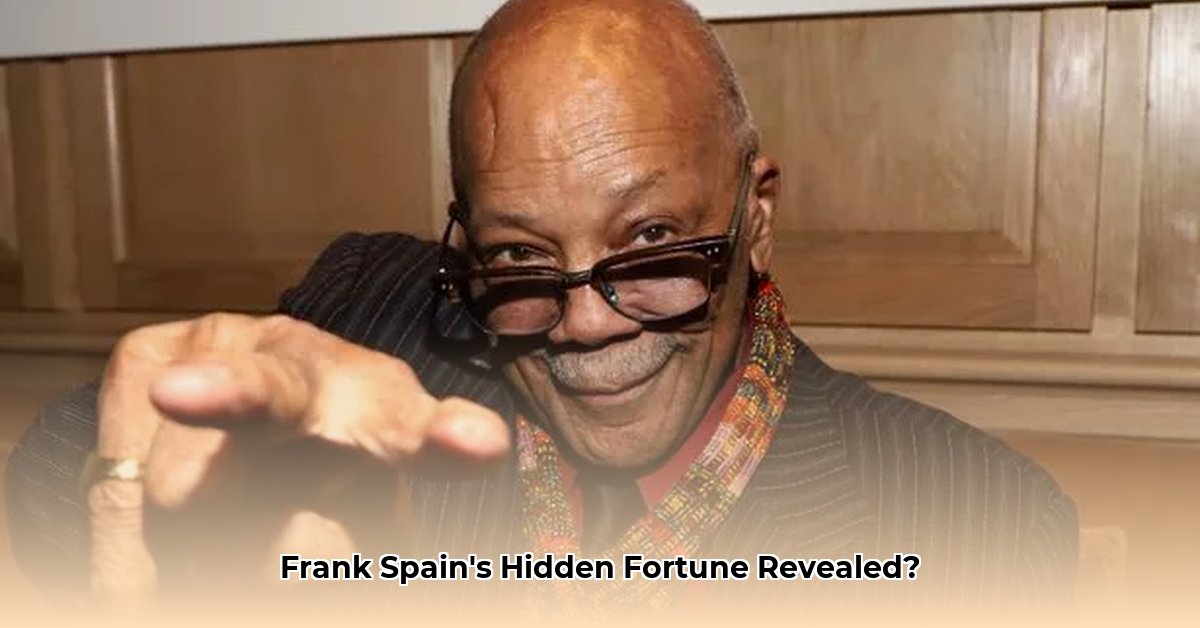
Frank Spain wasn't just a businessman; he was a builder, a visionary who left a remarkable imprint on both the broadcast industry and the world of classic cars. His life story is one of ambition, innovation, and a deep-seated passion, making the question of his net worth all the more intriguing. Pinpointing the exact figure, however, proves challenging, akin to piecing together a complex puzzle with only some pieces readily available.
His journey began in the thrilling early days of television. Imagine the technological hurdles, the cutthroat competition, the sheer audacity of building a successful television station when the medium was still in its infancy. Spain, with his engineering expertise and keen business acumen, played a pivotal role in establishing WTVA, a station that defied even the expectations of powerful NBC executives. This wasn't merely about setting up a TV station; it was about creating something truly groundbreaking, a beacon in the nascent world of television broadcasting. The success of WTVA laid the groundwork for his future entrepreneurial ventures and significantly contributed to his accumulating wealth. He wasn’t just building a business; he was building a legacy. How did this early success shape his financial trajectory? It's a question we'll explore further.
His broadcasting achievements, however, represent only one act in a much larger, more multifaceted drama. Frank Spain harbored a profound love for classic automobiles. This wasn't simply about collecting expensive vehicles; it was about acquiring and preserving automotive history itself. He possessed an exceptional eye for detail, an appreciation for engineering marvels, and a collector's instinct that led him to amass a remarkable collection of cars representing significant milestones in automotive technology and design. This wasn't merely an investment; it was a passionate pursuit, a labor of love. Did his passion for cars ever detract from his business endeavors? Or did the two ventures complement each other?
This passion culminated in the establishment of the Tupelo Automobile Museum—a remarkable tribute to his profound dedication. The museum wasn't just a place to showcase beautiful machines; it was a community project that revitalized Tupelo, boosting the local economy and attracting visitors from far and wide. It became a symbol of his vision, a lasting testament to his commitment to automotive heritage. However, even the most carefully conceived vision can encounter unforeseen challenges. The museum’s eventual closure and the subsequent sale of the collection highlight the complex realities of sustaining such ambitious, passion-driven projects, especially when facing unpredictable economic headwinds. The precise reasons behind the museum's closure remain somewhat opaque, adding to the difficulty in definitively assessing its impact on Frank Spain's overall net worth. What factors contributed to the museum’s financial difficulties?
Estimating Frank Spain's net worth presents a considerable challenge. Precise figures remain elusive due to a lack of publicly available financial records. However, considering his remarkable success in television and telecommunications (including his involvement with MCI), coupled with his extensive and highly valuable car collection, it's undeniable that he accumulated considerable wealth. Some experts suggest the sale of his car collection alone likely yielded a substantial sum, estimated in the tens of millions. Yet, the precise amount remains undisclosed, adding to the mystique surrounding his financial legacy. Given the lack of precise financial data, what are the most reliable metrics for estimating his net worth?
What's equally important, however, is the broader narrative—the impact Frank Spain made on the world beyond the realm of finance. His influence on the television landscape, his significant contribution to preserving automotive history, and his demonstrably positive impact on the Tupelo community represent a legacy far more valuable than any net worth figure. His story is a testament to the power of vision, unwavering passion, and relentless perseverance. His life embodies a richer, more nuanced definition of wealth; a life rich in accomplishment, leaving an enduring mark on those he touched and the industries he helped shape. His legacy, unlike a fluctuating stock portfolio, is enduring. While the exact numbers remain somewhat elusive, the story of Frank Spain is one that continues to inspire. Future research may uncover more details, refining our understanding of his financial success, but the enduring richness of his life and contributions remain undeniable.
How to Sustainably Fund Automotive History Museums
Key Takeaways:
- Frank Spain's passion for cars and broadcasting fueled his wealth, culminating in the impressive Tupelo Automobile Museum collection.
- The museum's closure and subsequent auction highlight the challenges of sustainable funding for automotive history museums.
- The sale of the collection, estimated at $10-$20 million, aimed to establish a charitable educational foundation, suggesting a potential funding model.
- Diversification of funding sources, including grants, memberships, events, and corporate sponsorships, are crucial for long-term sustainability.
- The dispersal of the Tupelo collection serves as a cautionary tale, highlighting the fragility of privately funded automotive museums.
Frank Spain’s life story serves as a compelling case study in the enduring legacy of passion and the challenges of sustaining cultural institutions. His success in the broadcasting world provided the foundation for his impressive automotive legacy, a legacy inextricably linked to the challenges of securing long-term funding for automotive history museums. The Tupelo Automobile Museum, once home to his 170+ vehicle collection, closed its doors in 2018. Its impressive collection, including a rare Tucker No. 1028, was auctioned, generating an estimated tens of millions of dollars. But this wasn't simply a massive sale; it was a watershed moment in the ongoing conversation about museum funding. How can we guarantee the preservation of these cultural treasures in the future?